




 Back to All Blogs
AI Search Optimization Checklist for B2B Websites: Technical, Content, and Entity Signals That Matter in 2026


Originally published January 13, 2026 , updated on February 6, 2026

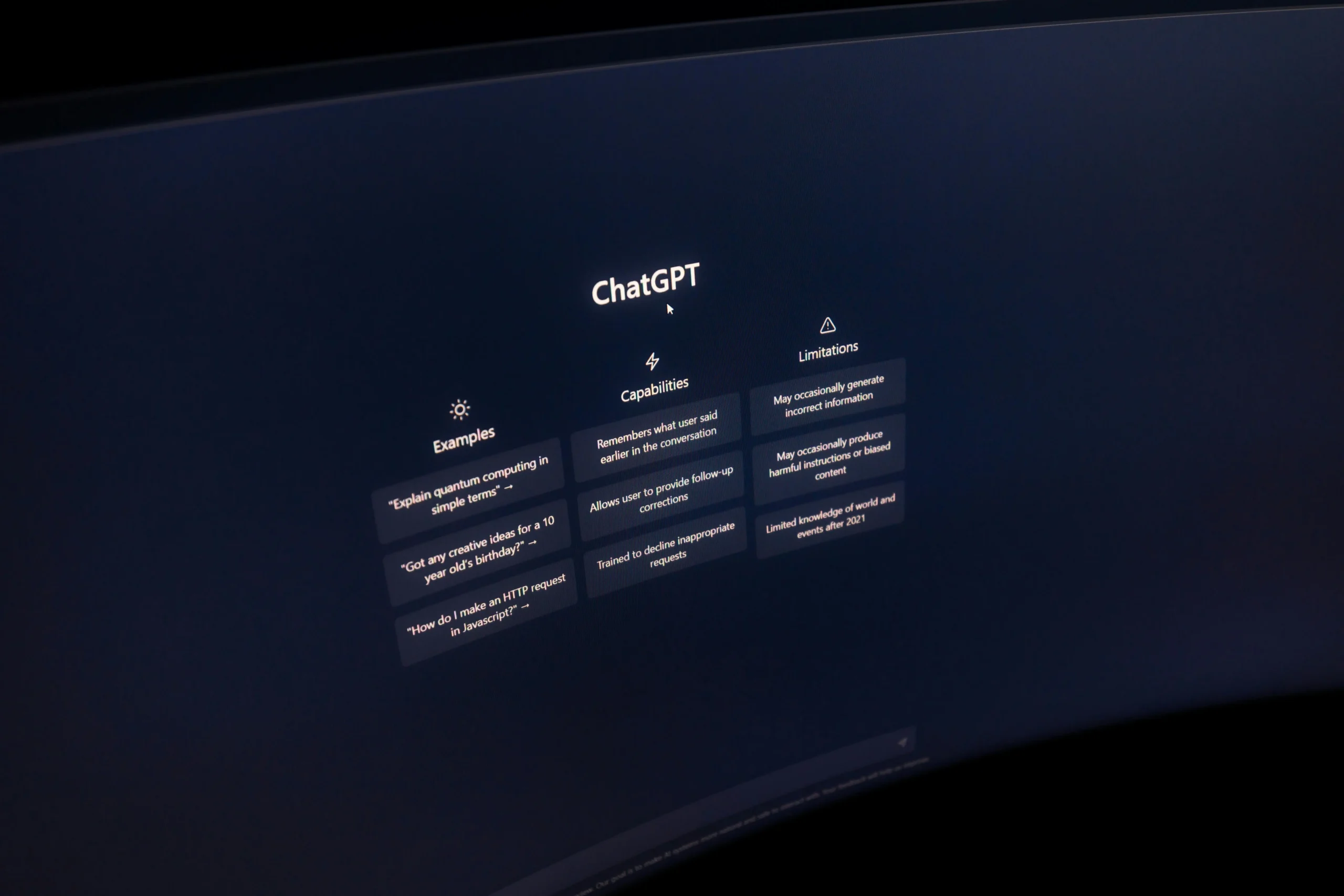
Until recently, search optimization for B2B websites was geared towards keywords and URL improvements. Over the past few years, people have increasingly used AI platforms like ChatGPT and Claude as alternatives to traditional search engines. This means the way of attracting traffic to your website has changed significantly.
Let’s walk through what you need to do to get your website AI-search ready.
AI Doesn’t “Read” Like Google Used To
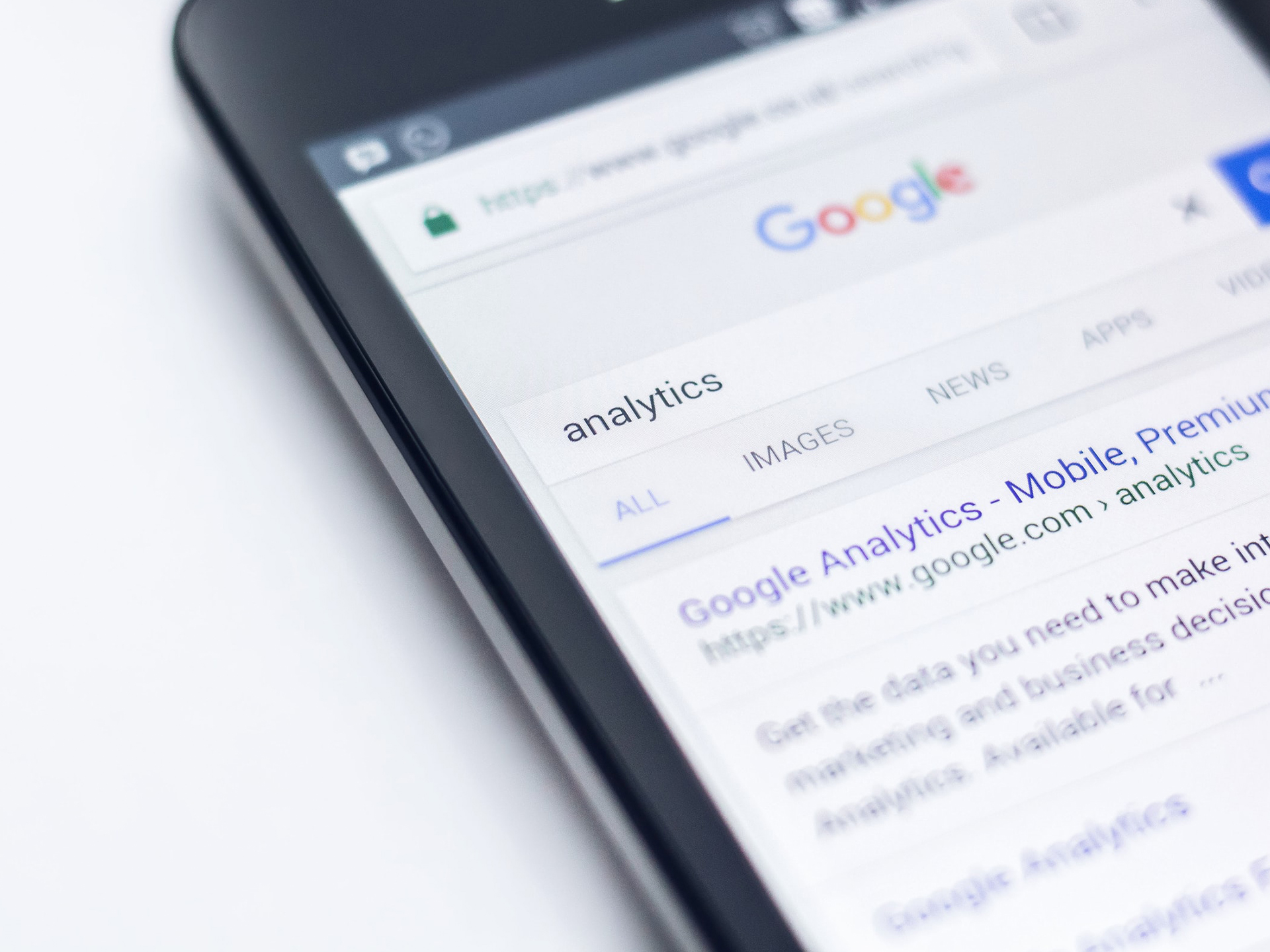
Traditional search engines like Google matched keywords in someone’s search to keywords placed on websites, hoping to pull up a helpful answer. If someone searched for “best CRM for healthcare,” Google looked for pages containing those exact words. AI search tools like ChatGPT, Perplexity, and Claude work differently. They scan millions of sources and extract specific information before returning a custom answer for the user.
This means your goal has changed. Instead of trying to rank number one for a keyword, you now need to become a source that AI trusts enough to quote when it answers questions for your potential customers.
Make Your Site Machine-Readable
Think of your website like a library. Right now, many B2B sites are like libraries where all the books are dumped in a pile. Digging through that pile for the right information is time-consuming and exhausting. AI search engines need a card catalogue to understand what you offer.
Schema markup is invisible code that labels your content so AI can tell the difference between a product description, an “About Us” page, a customer review, and so on.
- Label your “About Us” page with organization details, including your founding date, headquarters, links to your LinkedIn profile, and any other relevant links.
- Tag your team members’ bios with their job titles, credentials, contact details, and links to their professional profiles.
- Mark up your product pages so AI can easily compare your features with those of competitors.
- Add FAQ code to your service pages so AI can pull out direct answers to common questions.
When you do this, AI sees structured facts that link back to your organization and can confidently cite them in search results.
Become a “Known Entity”
AI search engines maintain giant databases of information. For example, Google’s Knowledge Graph holds well over 500 billion facts. When AI trusts that your company is a real, established entity in that database, it’s far more likely to cite you.
An “entity” is anything with a proper name, such as your company, your CEO, your flagship product, or even key concepts in your industry. It is real, it exists.
Here are some things you can do to build entity strength:
- Keep your company description identical across your website, LinkedIn, X, and industry directories like G2 or Capterra. If you call yourself “AI-Powered Sales Solutions” in one place and “Predictive Revenue Platform” in another, AI gets confused about whether these are the same company.
- Get listed in authoritative places. When credible industry sites mention you, AI starts treating you as a trustworthy source.
- Link to authoritative sources in your content. If you mention GDPR compliance, link to official EU documentation. This trains AI to associate your brand with verified, trustworthy information.
Think of this like networking at a conference. The more reputable people who vouch for you, the more likely strangers are to trust your advice.
Write Content That AI Can Extract
AI search doesn’t quote your entire article. Instead, it clips a fragment, such as a specific statistic, a definition, or a pros-and-cons comparison. You need to make those pieces of information easy to find.
Structure your content like a good journalist:
- Put the answer first. If the heading asks “How much does implementation cost?” answer “$15,000 for the first 90 days” in the first sentence, then explain why.
- Use tables for comparisons. When comparing your software to a competitor, use a simple table. AI loves using these for answering comparison queries.
- Add summaries at the top of long guides. AI uses these to understand if your content is relevant before diving deeper.
- Avoid walls of text. Break content into short sections with clear headings. AI uses your heading structure (H1, H2, H3) to create a mental map of your expertise.
Prove Real Humans Work There
For B2B purchases, AI places a heavy weight on who wrote the content. An article on healthcare data security written by a former hospital CTO carries weight because of their experience and credentials.
Build author credibility:
- Create bio pages for your content creators listing their credentials, years of experience, and links to their LinkedIn profiles or published research.
- Have subject matter experts review content, even if a marketer writes the first draft.
- Make sure names match exactly across platforms. If your CTO is “Dr. Sarah Wright” on LinkedIn, don’t list her as “S. Wright” on your blog.
AI cross-references this information to verify that real experts work at your company.
Don’t Ignore the Basics
Even the most sophisticated AI optimization won’t help if your site is slow or broken.
- Speed matters. Aim for your pages to load in under two seconds on mobile. AI crawlers have limited patience, so if your site is slow, they may skip deep indexing.
- Security is non-negotiable. HTTPS is essential. AI systems often exclude non-secure sites from citations.
- Keep it clean. Use standard formatting. Don’t bury important text inside complex widgets that AI might not see.
B2B Specific Tactics
- Comparison pages work. Create honest comparison pages showing your product vs a competitor, or alternative pages like “Best [Category] for Enterprise”. AI search relies on these when buyers are in evaluation mode. Over 70% of B2B research happens before a prospect contacts you, so you need to be part of that AI-generated shortlist.
- Publish original research. If you conduct a survey of 500 CFOs about budgeting trends, that data becomes a unique entity that AI can cite. Original statistics get quoted far more often than opinion pieces.
- Improve your documentation. If you sell technical products, your help documents and API documentation must have a clean structure. AI assistants frequently cite technical documentation when helping developers choose tools.
How to Know If It’s Working
Tracking Google rankings is not enough to tell you whether these changes are working. Here are a few things you can do to track your AI search optimization progress:
- Search for your brand name in Google. If a Knowledge Panel appears (that box on the right with your logo and facts), your entity building is working.
- Use specialized tools like Profound or Otterly to track how often AI mentions your brand in responses to queries.
- Monitor your server logs for visits from AI crawlers like GPTBot or ClaudeBot.
The goal is to be cited as an authority when your ideal customers ask AI for buying advice.
AI Optimization Checklist Takeaway
The main difference between traditional SEO and AI search optimization is that you should now treat your website as a knowledge base. Implement Organization and Person schema to establish entity credibility, ensure quick load times and HTTPS security for crawler accessibility, and structure content clearly. Ultimately, these actions help ensure that your brand appears in the AI-generated shortlists that determine vendor selection before a prospect ever reaches your contact form.
FAQ
How long until we see results from these optimizations, or is this a longer-term strategy?
Expect 60-90 days for Knowledge Graph entity changes to propagate, but treat it as continuous maintenance. AI models refresh their source indexes regularly so if your schema breaks or your team page goes stale, citations drop quickly.
Should we dismantle our traditional SEO efforts, or do Google rankings still influence what AI search tools cite?
Keep both running. High Google rankings often correlate with AI citations because models train on pages that already rank well, but the optimization tactics diverge.
What happens if an AI engine cites incorrect facts about our pricing or features?
The fastest fix is to flood the retrieval layer with correct data. Publish a prominent correction on your own site with clear schema markup, then push that correction to the authoritative third-party directories. Most retrieval-based systems will pick up the correction within their next index cycle.
Do we need to optimize differently for voice-activated AI assistants versus text-based chatbots like ChatGPT?
Not significantly for B2B. Voice assistants and text-based AI currently pull from the same structured data and entity graphs. Structure your content with concise “answer sentences” at the top of sections for voice, followed by deeper bullet context for text.



Originally published January 13, 2026 , updated on February 6, 2026
Popular Posts





Contact Us


"Working with Goodman Lantern has been fantastic. From the evaluation process to our current day-to-day it has been a pleasure. They have been accommodating and helpful throughout the entire engagement. The deadlines are always met and the communication is consistent. You'd be amazed at how many partners struggle with this. I would recommend them to anyone looking for content services." Jeff Soriano,
Brightflag - VP Marketing