








 Back to All Blogs


Originally published February 3, 2026 , updated on March 17, 2026

The way people find businesses is changing fast. Here’s how to catch the leads that AI platforms are sending your way.
As AI becomes an everyday part of many people’s lives, it’s natural that the next step is that people use AI tools to find products and services. More people are using ChatGPT, Gemini, or Perplexity for recommendations, and when AI platforms mention your brand, prospects are often ready to buy.
The data backs this up. Research shows that leads who arrive at your website from AI search platforms are three to five times more likely to convert than those from traditional organic search. These people have already done their homework through AI. They’re not window shopping. They’re comparing options with clear intent.
If you want to turn these AI search mentions into actual leads, here are a few pointers.
Why AI Mentions Matter
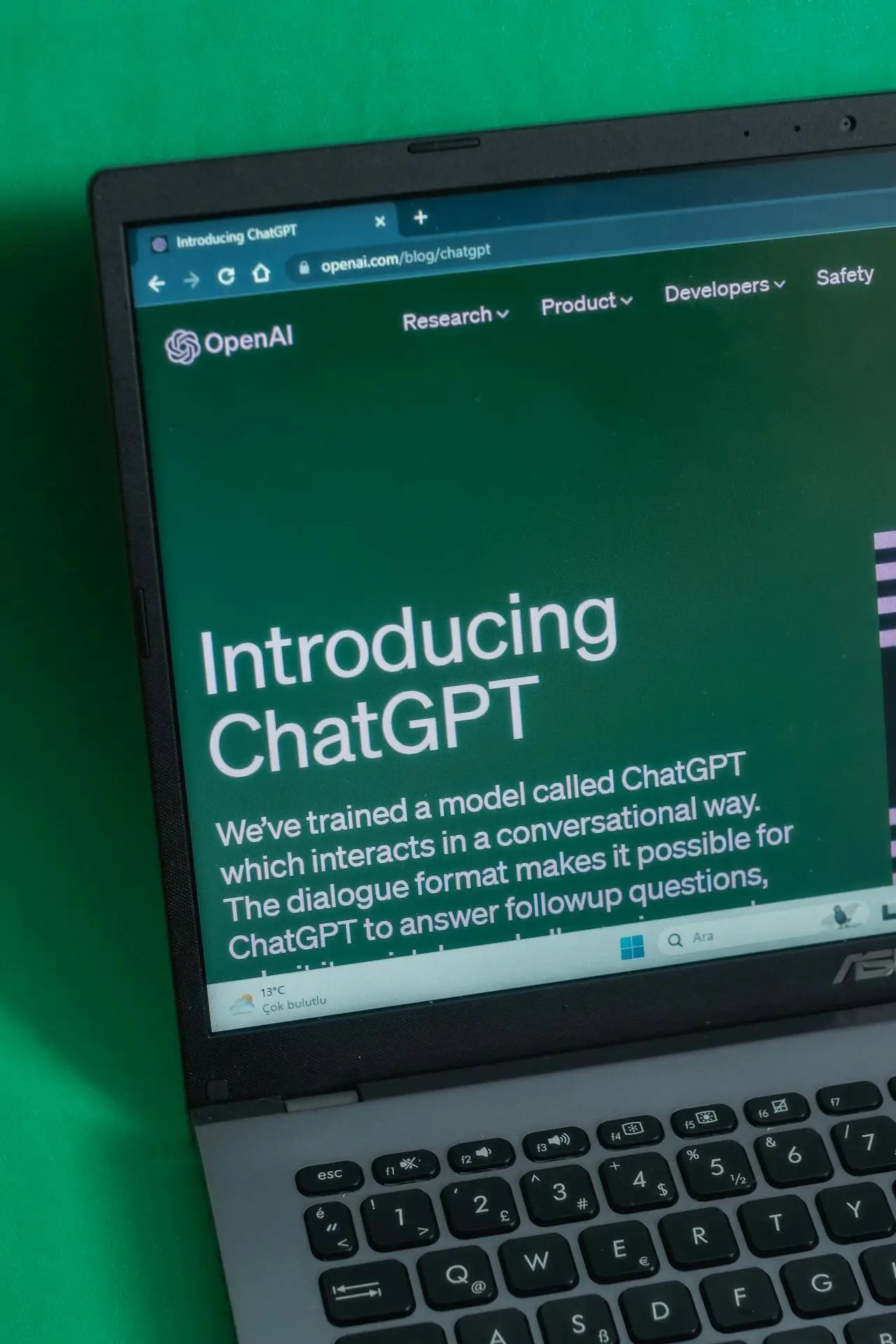
When someone asks ChatGPT for the best product or most popular service in their area of interest, they’re not looking for a list of links to click through. They want a direct answer, and if your business is mentioned in that answer, you’ve already passed an important credibility test.
The traditional marketing funnel, where someone searches, clicks your link, reads your blog, downloads a guide, gets nurtured via email, and eventually buys, is shrinking.
This creates an opportunity for higher-quality leads. The challenge is getting used to this new buyer journey.
Start by Knowing Where You Stand
Before you can convert AI mentions, you need to know if you’re getting mentioned at all.
New tools can help with this. For example, Ahrefs recently launched Brand Radar out of beta, which tracks brand mentions in ChatGPT and Perplexity answers (with Gemini coming soon). This tells you exactly what questions trigger mentions of your brand and how you’re being positioned in those answers.
You can also set up tracking in your analytics platform. In Google Analytics 4, you can create filters for your page referrer field to capture traffic from AI domains such as chatgpt.com and perplexity.ai. This won’t show every mention, but it’s a start.
Make Your Website AI-Friendly
Somewhat counterintuitively, you need to appeal to humans while optimizing AI comprehension. If an AI system can’t clearly understand what you do, it can’t recommend you accurately.
You need to go back to the basics of your website content:
- Be clear about what you do. Avoid jargon and marketing speak. If you sell accounting software for freelancers, say exactly that. Don’t say you “empower financial freedom for independent professionals.”
- Structure your content logically. Use clear headings and organized sections. AI tools interpret structured content more reliably than dense paragraphs.
- Use technical markup. Implement schema markup to help AI understand the context of your content. It tells systems what your content means, not just what it says.
- Answer specific questions directly. Create content that directly addresses common questions in your industry. If people frequently ask “How much does [your service] cost?” or “What’s the difference between [your product] and [a competitor’s]?”, the answers should be easy to find on your site. AI systems are far more likely to cite pages that provide direct answers.
- Target the right keywords. Not all search traffic is equal. AI overviews are great at answering simple informational questions, which means fewer clicks for basic queries. However, they struggle with complicated or very specific queries.
Focus your efforts on:
- Bottom-funnel keywords. These are searches with clear purchase intent, things like “best price on [product],” “[service] near me”. In areas such as health and finance, accuracy really matters. AI tends to be more cautious in these areas and is more likely to direct users to authoritative sources for verification.
- Original research and expert opinions. AI can’t easily replicate unique data or original expert insights. If you publish original research, you’re more likely to be cited as a primary source.
Shorten Your Conversion Path
When someone arrives at your site from an AI recommendation, the fastest way to lose them is by making them jump through hoops to get what they came for. They’re already informed and have compared options. What they need is confirmation that you’re the right choice and offer an easy way to take the next step.
- Avoid the generic homepage. Instead, send AI traffic to specific product or service pages that match their needs.
- Reduce form fields. If they came from an AI query about “emergency plumbing services,” they need a phone number or a quick contact form. They don’t want to read a page about the history of your business.
- Offer immediate action. Let them book a demo or schedule a consultation right away. Companies that successfully use LLM visibility for lead generation don’t make their customers wade through information before they find the solution.
Consider Adding AI to Your Own Site
Adding a GPT-powered chatbot to your website can help qualify leads in real time.
Program your chatbot to ask the key qualifying questions: What’s your budget? Who makes the decisions? What’s your timeline? When appropriate, the bot can book meetings automatically or route the leads directly to your sales team. This approach helps to fast-track serious prospects.
Become Proactive About Being Mentioned

You can increase your chances of being recommended by getting your brand into the training data that these models learn from.
- Publish press releases highlighting what makes you different. AI models train on news data, so legitimate press coverage helps.
- Guest post on authoritative sites. The more your brand appears on trusted industry pages, the more likely AI is to view you as a credible source.
- Create genuinely useful content. Comprehensive guides, detailed FAQs, and thorough explanations of complex topics position you as an authority. When AI selects sources, it favors content that is the most complete and accurate.
What You Should Remember
AI platforms are changing the way buyers interact with businesses. Companies that are aware of this change and adapt are better positioned to attract high-intent leads than competitors who don’t use AI platforms.
You need to recognise that an AI mention functions like a pre-qualified referral from a trusted source. Treat it that way by being easy to understand and easy to find.
Right now, there are people out there asking AI platforms about products like yours. Make sure you’re in the running.
FAQs
Use Ahrefs’ Brand Radar or a similar monitoring tool to track comparative mention volume across ChatGPT and Perplexity for your brand against a competitor’s.
At present, ChatGPT, Gemini, and Perplexity don’t offer advertising options. Focus on organic optimization and PR strategies instead.
B2B services and complex software solutions see the strongest results due to the research-heavy nature of their buyers’ journeys.
Most organizations report noticeable increases in AI mentions within three to six months of implementing structured content and technical markup improvements.


Originally published February 3, 2026 , updated on March 17, 2026


Popular Posts






Contact Us


"Working with Goodman Lantern has been fantastic. From the evaluation process to our current day-to-day it has been a pleasure. They have been accommodating and helpful throughout the entire engagement. The deadlines are always met and the communication is consistent. You'd be amazed at how many partners struggle with this. I would recommend them to anyone looking for content services." Jeff Soriano,
Brightflag - VP Marketing