








 Back to All Blogs
How to Get Your Brand Mentioned in ChatGPT, Gemini & Perplexity: A Practical LLM Visibility Playbook


Originally published January 6, 2026 , updated on February 16, 2026

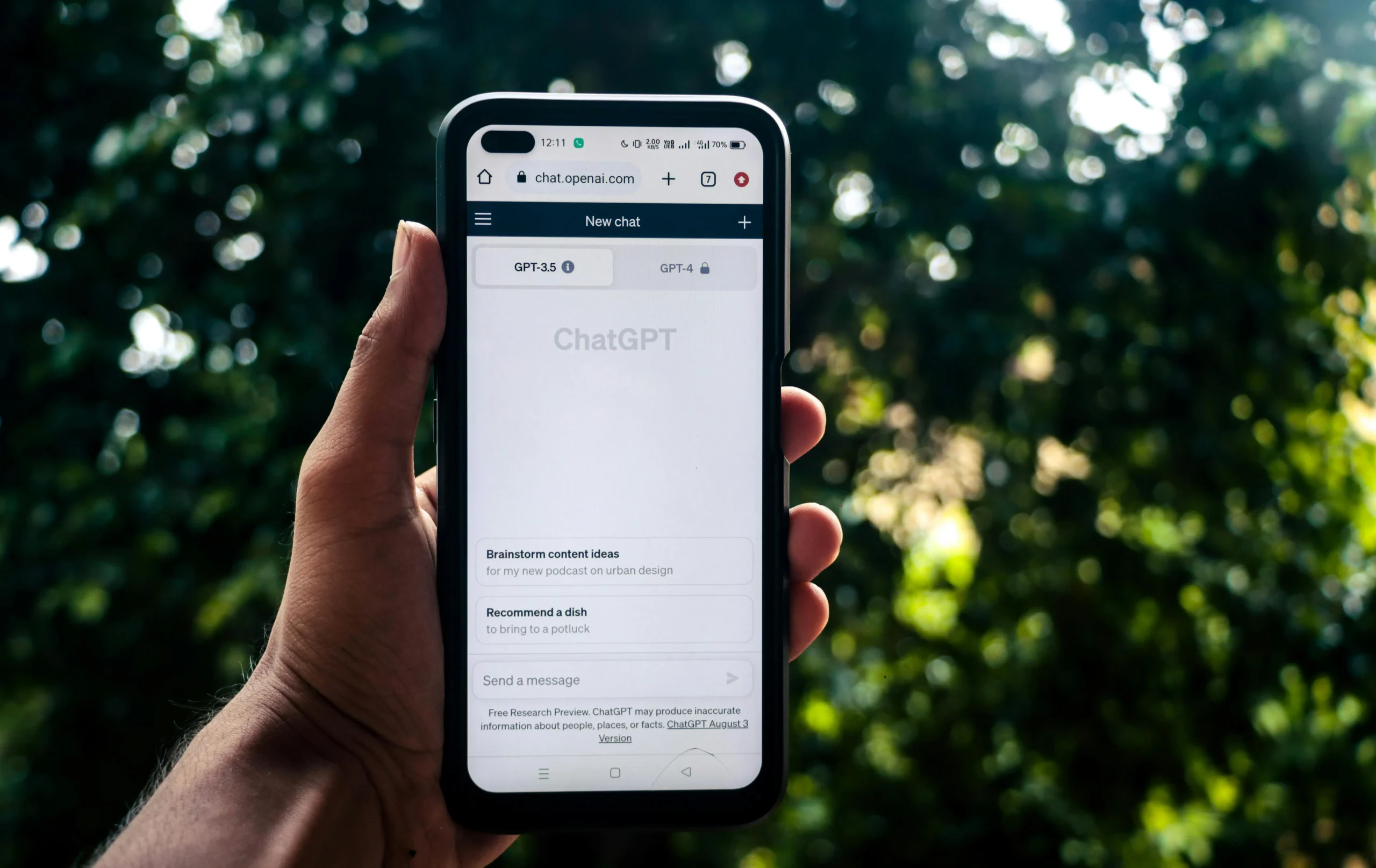
Open the free version of ChatGPT and type “best project-management tool for a five-person agency”. Watch what happens. The bot responds in neat paragraphs, often naming two or three products, and never showing a traditional search results page. If your company is not in that short list, you are essentially invisible to the user.
The same moment is playing out across Google’s Gemini, Perplexity, Claude, and the AI overviews in traditional search engines. No click is required. The old fight for page-one real estate is quietly being replaced by a fight for paragraph-one mention.
We’ve created a playbook that shows what growing brands are already doing to get mentioned, and how you can follow suit.
What is LLM visibility?
LLM visibility is the chance that a large-language-model (LLM) chat interface will include your brand when a user asks a question you care about.
Researchers at the University of Stuttgart tracked 90,000 prompts across four major models and found that only 3.7% of possible brands ever appeared in the responses. In other words, 96% of brands are still waiting for their first mention.
The mention itself is the new impression. If the model skips you, the customer journey ends before your website even has a chance to load.
How LLM Visibility Differs from Traditional SEO
Traditional SEO tries to push your own page to the top of a list of ten blue links. LLM visibility aims to push your name into a single, confident paragraph that the model writes for the user. There are three key differences to understand:
- Sources, not pages: Google searches rank URLs. LLMs rank the sources they were trained on or can retrieve live. If the model has never seen your name in a reputable place, your on-page optimization is useless.
- No click, no traffic: A top search result still has to persuade a human to click. An AI-generated answer is often the final stop, and the user acts on the names given.
- Authority is binary: In SEO, you can hang around position six and still pick up traffic. In AI chat interfaces, you are either mentioned or you are not. Research from Seer Interactive found that organic click-through rates dropped 61% for queries with AI Overviews, while paid click-through rates dropped by 68%.
How to Get Your Brand Mentioned: The Practical Playbook
Earn Citations in Places Models Already Trust
LLMs do not trust your website the same way they trust established news outlets or independent review sites. The fastest way in is to appear inside the stories that those outlets publish.
Journalists constantly look for expert sources for their articles, so when you provide a useful quote, you earn a citation in a publication that the models already recognize as authoritative. If you are quoted, insist that your company name and a short descriptor appear in the final article. This trains the model to link your name to your category.
Once the article is live, link to it from your press page so that the model retrieval systems can trace the connection between the quote and your domain. The goal is to build a web of third-party mentions that the LLM comes across during training or live search. Models cite what they see repeated in trusted sources, not what you say about yourself.
Publish the Kind of Content That Ends Up in “Best Of” Lists
Models love to give list-style answers. Build pages that look like the lists they already quote.
A good structure looks like this:
- Headline: Example: “The Seven Project-Management Tools That Let Five-User Teams Work for Free”
- Intro paragraph: This explains how the list was chosen (third-party reviews, pricing pages, G2 data, etc.).
- Each entry: 80–100 words covering price, free-plan limits, and one differentiator.
- Sources box: At the bottom, link to every pricing page and review you used.
When the University of Stuttgart team replayed training data used by GPT-4, they found that comparison tables and short lists were more likely to be cited than long thought-leadership essays. Short, clear, factual, and source-heavy copy is the way to go.
Keep Your Facts in Public Places that Machines Can Read
LLMs cannot read your founder’s mind, but they can read Crunchbase, LinkedIn, G2, Glassdoor, and government trademark databases. Make sure every profile uses the same two-sentence description of what you do. Consistency trains the model to link the name with the category.
Use Schema So Retrieval Engines Can Pull You in Live
Most search engines, including AI-powered ones, run a live retrieval step before answering. Structured data helps them slot your page into the answer box.
Add:
- Product schema (price, free-trial length, category)
- Review schema (star rating, review count)
Track What the Bots Are Actually Saying
You cannot improve what you do not measure. Affordable and free tools now exist:
- LLM-Monitor: Drop in a list of prompts (“best CRM for nonprofits,” “top CRMs 2026,” etc.) and it tells you how often brands appear and whether sentiment is positive.
- Otterly.ai: Uses the same idea, but adds competitor opinions.
- Google Search Console: This is still useful because AI Overviews that cite you sometimes send a small traffic spike. Watch for mystery referrers you did not target.
Log your results monthly. If a prompt is important and you are missing, add it to your editorial calendar and run the playbook again.
Fix the Wrong Answers Fast
Sometimes the model places your brand in the wrong category. Publishing a clarifying blog post is not enough. To correct this, you need new, trusted citations that repeat the correct category.
Follow these steps:
- Write a data post that proves the point.
- Pitch the data to trade reporters.
- Once a story runs, link to it from your homepage and press page.
- Re-check the model after 30 days. Retrieval models usually pick up the newer, authoritative source.
What Can You Take Away From This?
LLM visibility is about meeting models where they already look. Start by earning mentions in third-party sources. These carry far more weight than your own marketing claims.
When you create content, keep it short, factual, clear, and structured in list-friendly formats. Always back up assertions with clear links to credible sources. Be consistent across all public profiles. Use the same concise bio everywhere so the model learns to link your name to your category.
Implement Product and FAQ schema on your site to help live retrieval systems slot your information into answers with confidence.
Don’t treat this as a one-time fix. Track your target prompts monthly. If you’re absent, publish new sources and measure again.
Finally, when models get you wrong, for example, placing you in the wrong category or omitting you entirely, correct it with fresh authoritative citations. Then wait one retrieval cycle for the update to take effect.
Follow this playbook, and you can move from being part of the 96% of invisible brands to the 4% of brands that models cite.
FAQs
Run both, but repurpose. The content that earns you LLM citations tends to rank well in traditional search. Keep your technical SEO foundation, but shift some editorial resources.
Publish a clear, dedicated correction page on your own site with the accurate data, then pitch that corrected data to the same third-party reviewers and trade publications the models already trust.
The strategy remains the same but the weighting differs. Gemini heavily favors Google Business Profile and authoritative news sites while ChatGPT relies more on academic databases and high-traffic SaaS review platforms. Diversify your citation portfolio across news, academic,statistical and directory sources rather than optimizing for a single model.
You can’t use last-click attribution anymore. Instead, run surveys asking new customers, “Where did you first hear about us?” and include “AI chat or voice assistant” as an option. Combine this with watching for spikes in direct traffic and branded search volume immediately after you get a notable citation in an authoritative publication that feeds the models.



Originally published January 6, 2026 , updated on February 16, 2026

Popular Posts





Contact Us


"Working with Goodman Lantern has been fantastic. From the evaluation process to our current day-to-day it has been a pleasure. They have been accommodating and helpful throughout the entire engagement. The deadlines are always met and the communication is consistent. You'd be amazed at how many partners struggle with this. I would recommend them to anyone looking for content services." Jeff Soriano,
Brightflag - VP Marketing